


Routine dental visits are not limited to checking for cavities. Dentists also examine the gums, tongue, cheeks, palate, and other soft tissues of the mouth for changes that may require attention. An oral cancer screening in Westmount is one part of this broader examination. Screening does not diagnose cancer on its own, but it can help identify unusual areas that may need monitoring, further assessment, or referral.
What Does the Dentist Look For?
During an oral examination, the dentist may look for sores that have not healed as expected, unusual red or white areas, lumps, changes in tissue texture, unexplained swelling, or other differences from the surrounding tissue. The tongue, floor of the mouth, roof of the mouth, lips, cheeks, and visible portions of the throat may all be examined. Some changes are caused by irritation, biting, infection, or other non-cancerous conditions, which is why a professional assessment is important rather than trying to determine the cause based on appearance alone.
Does an Oral Cancer Screening Hurt?
The visual and physical portions of an oral cancer screening are generally straightforward and are often incorporated into a regular examination. The dentist may use a light, mirror, or other dental instruments to see different areas of the mouth and may gently feel tissues around the jaw, neck, or mouth. If a particular area is tender or uncomfortable, patients should let the dental team know so the examination can be adjusted where appropriate.
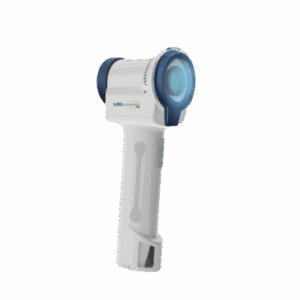
How Can VELscope Technology Support Screening?
Akoya Aesthetic Dentistry uses VELscope technology as part of its oral cancer screening process. The device uses a specialized light to help the dentist view patterns of fluorescence in oral tissues. Areas that appear different under the light are not automatically cancerous. Instead, the additional visual information can help the dentist decide whether an area should be examined more closely, monitored, or referred for further evaluation.
Why Is Screening Useful When Nothing Hurts?
Changes within the mouth do not always cause pain. A person may therefore feel completely well while still having an area that deserves professional attention. Routine dental examinations provide an opportunity to look at parts of the mouth that patients may not regularly inspect themselves. Screening is particularly useful as part of ongoing care because the dental team can compare current findings with what has been observed at previous visits.
What Changes Should You Mention to Your Dentist?
Patients should tell their dentist about changes such as a sore that persists, unexplained bleeding, a new lump, ongoing throat or mouth discomfort, persistent changes in the tongue or other tissues, or difficulty with normal functions such as chewing or swallowing. These symptoms can have many possible explanations and do not mean that cancer is present. They are simply reasons to arrange an appropriate assessment rather than ignoring an ongoing change.
Oral Screening Is One Part of Comprehensive Dental Care
An oral cancer screening is not a substitute for medical diagnosis, and an unusual finding may require additional investigation. Its role is to help the dental team identify changes that should not be overlooked. Akoya Aesthetic Dentistry incorporates oral tissue assessment and modern dental technology into comprehensive dental care in Westmount. If you have noticed a persistent change in your mouth or are due for a dental examination, a visit provides an opportunity to have your oral health assessed.